What Makes a Great Waterfront Real Estate Agent?
In This Guide
- 01 The Short Answer
- 02 They Understand the Reservoir
- 03 They Read Water
- 04 They Price Frontage
- 05 They Inspect Below the Waterline
- 06 They Work the Lake's Calendar
- 07 They Bring a Network
- 08 They Negotiate With Facts
- 09 They Tell You When to Walk Away
- 10 How to Spot These Skills
- 11 Frequently Asked Questions
On a normal house, the hard part is the house. On Lake Norman waterfront, the house is often the easy part. The hard part is everything past the back door: a dock that sits over water the seller does not own, a shoreline governed by a utility, a depth that changes with the season, and a price driven by feet of frontage and the shape of a cove rather than bedrooms and baths.
That is why a great waterfront agent is a different professional from a great residential agent, even when they carry the same license. This guide covers the specific skills that set strong Lake Norman waterfront agents apart, why each one matters to your money, and how to recognize them before you hire.

The Short Answer: They Know the Water as Well as the House
A great waterfront real estate agent on Lake Norman combines normal residential skill with knowledge most agents never need. They understand how Duke Energy regulates the shoreline and how dock permits transfer. They judge water depth at low seasonal levels, not on a July afternoon. They price waterfront by frontage, cove, depth, and view rather than square footage alone. They know which inspections a lake property needs beyond a standard home inspection, and they have the contractors to do them.
Above all, they have judgment. They can tell the difference between a problem that is a negotiating point and a problem that should end the deal, and they will tell you which one you are looking at before your due diligence period runs out.
They Understand That Lake Norman Is a Reservoir, Not a Lake Lot
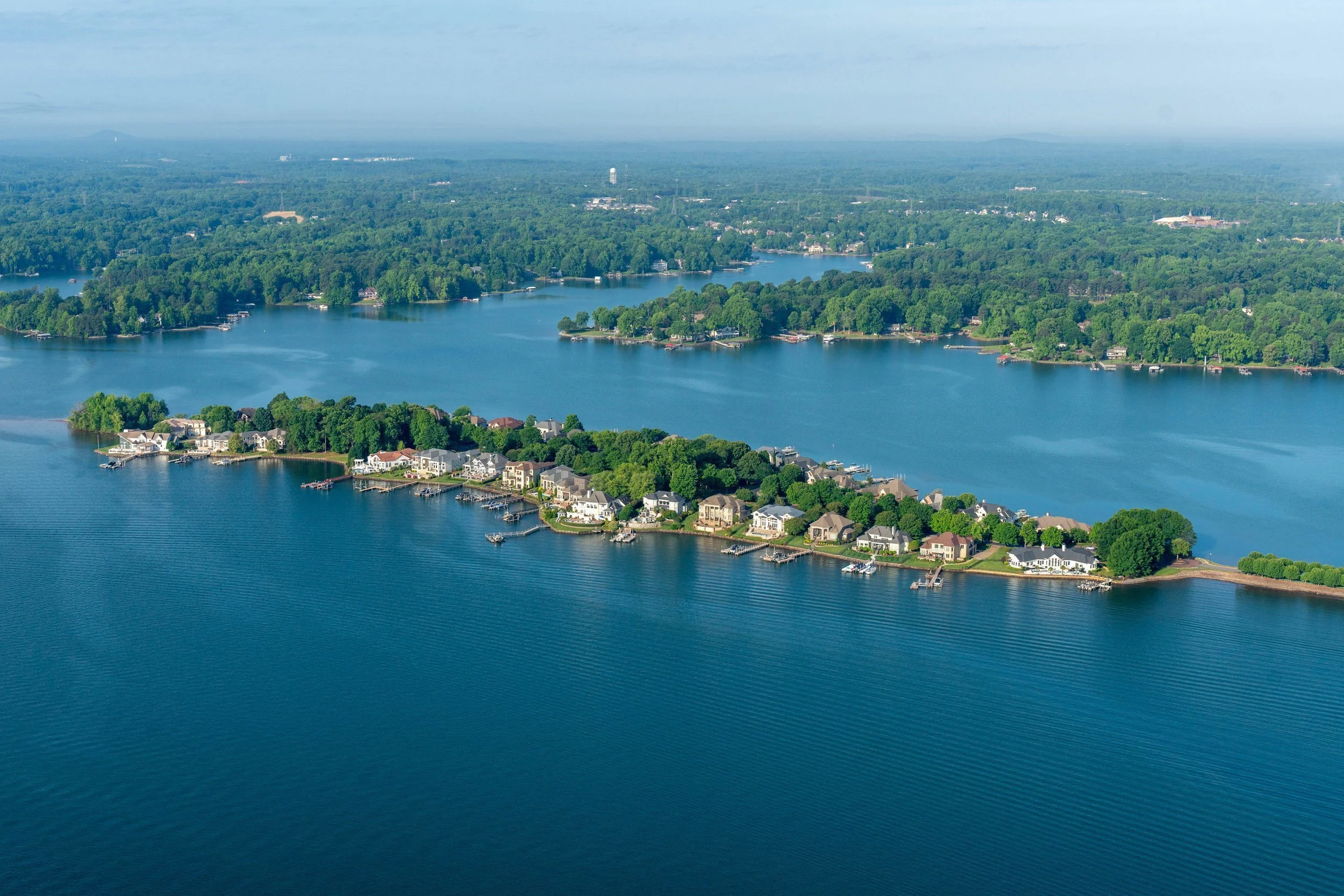
Lake Norman is the largest man made lake in North Carolina, built by Duke Energy on the Catawba River, with roughly 32,500 acres of water and about 520 miles of shoreline. The utility controls the water and the lakebed, and it manages the shoreline under its Shoreline Management Plan. Almost anything permanent at or below full pond, including piers, lifts, boathouses, seawalls, riprap, and excavation, needs Duke Energy's approval.
A great waterfront agent works inside that system every week. They know applications and permit transfers run through the Lake Access Permit System, that a Lake Services representative inspects the facility when a permit transfers, and that the inspection is when unpermitted changes tend to surface. They know every stretch of shoreline carries a classification that can allow or block a dock, and that cove width and setbacks from neighboring property lines can limit what gets built.
They also keep up with changes. As of July 1, 2026, Duke Energy no longer reviews private dock applications where no home has been built on the adjoining lot. For a buyer looking at a vacant waterfront lot, that single rule changes the timeline from "buy the lot and add a dock" to "build the house, then apply for the dock." An average agent may not know that yet. A great one already has it in their lot buyer conversations.
Why it matters: an unpermitted or modified dock can become the new owner's problem. Duke Energy can require an unapproved structure to be modified or removed, and the exposure transfers with the property.

They Read Water the Way Other Agents Read Floor Plans
Depth is the first thing a great waterfront agent checks, and they check it against the right number. Lake Norman is managed against a gauge where 100 feet represents full pond, roughly 760 feet of elevation. Duke Energy operates toward seasonal targets commonly in the 95 to 98 foot range and holds the lake lower heading into winter. The depth you see on a spring showing is the best case. When depth at the end of a dock drops under roughly three feet in a low month, most powerboats become impractical.
They also read the cove. A home deep in a protected cove may have calm water, less wake, and more privacy, but shallower water and a longer ride to the main channel. A main channel lot has the big water views and easy boating, and it also takes more wind, more wake, and more wear on the dock and seawall. Neither is better. They are different purchases, and a great agent explains the tradeoff in terms of how you will actually use the lake.
Orientation matters too. Which direction the lot faces decides whether you get sunsets over the water, whether the dock bakes in afternoon sun, and how the view changes in winter when the leaves drop. A great agent also knows where no wake zones sit, since the Lake Norman Marine Commission manages markers and safety rules on the water, and a no wake zone off your dock can be a benefit or an annoyance depending on your boat.
Insider tip: ask the agent to show you the property from the water before you write an offer. Ten minutes on a boat tells you more about a waterfront lot than an hour in the kitchen.

They Price Frontage, Not Just Square Footage
Waterfront pricing is where an experienced agent earns the fee. Verified direct waterfront closings across the lake's four counties in May 2026 posted a median of about $1.65 million, at roughly $606 per square foot, with sellers receiving 96.6 percent of asking on average. Almost half of those sales closed under $1.5 million, and entry points for direct frontage start around $950,000 to $990,000 in Troutman and Sherrills Ford. Those are wide ranges, and the house explains only part of the spread.
Comparable sales on the water are thin, so the adjustments between them are judgment calls. A great agent knows which comparables to use, which to throw out, and how to adjust for the features that actually move waterfront value. They also separate the Canopy MLS averages from the waterfront market. In July 2026 the Lake Norman market area posted a $700,000 median and a $1,065,679 average, but that blend mixes off water homes with estates on the main channel and is not a pricing tool for any single lake house.
An agent who prices a waterfront home the way they would price a house in a subdivision will get the house roughly right and the water wrong. On this lake, the water is most of the money.

They Know What Hides Below the Waterline and Behind the Seawall
A standard home inspection stops at the shoreline. A great waterfront agent knows that and builds the rest of the inspection plan into the offer timeline, so the North Carolina due diligence period is long enough to get it done.
The dock and lift need their own review: pilings, flotation, decking, framing, lift capacity and condition, and any electrical over the water, which should be permitted and properly grounded. The seawall, riprap, and bank need a look for cracks, leaning, and soil loss behind the wall. Low water in fall and winter helps here, because it exposes pilings, footings, and erosion that summer water hides.
Away from the water, a great agent asks about utilities early. Many lake homes outside town limits run on septic systems, and some rely on private wells. A septic inspection and a well test belong on the list when either applies, and septic capacity can limit future additions. Flood zones matter too. A lender will require flood insurance when a structure sits in a FEMA special flood hazard area, and quotes should come in before the due diligence deadline, not after.
For the full dock and slip checklist, see our guide to buying a boat dock or boat slip property on Lake Norman.
They Work the Lake's Calendar
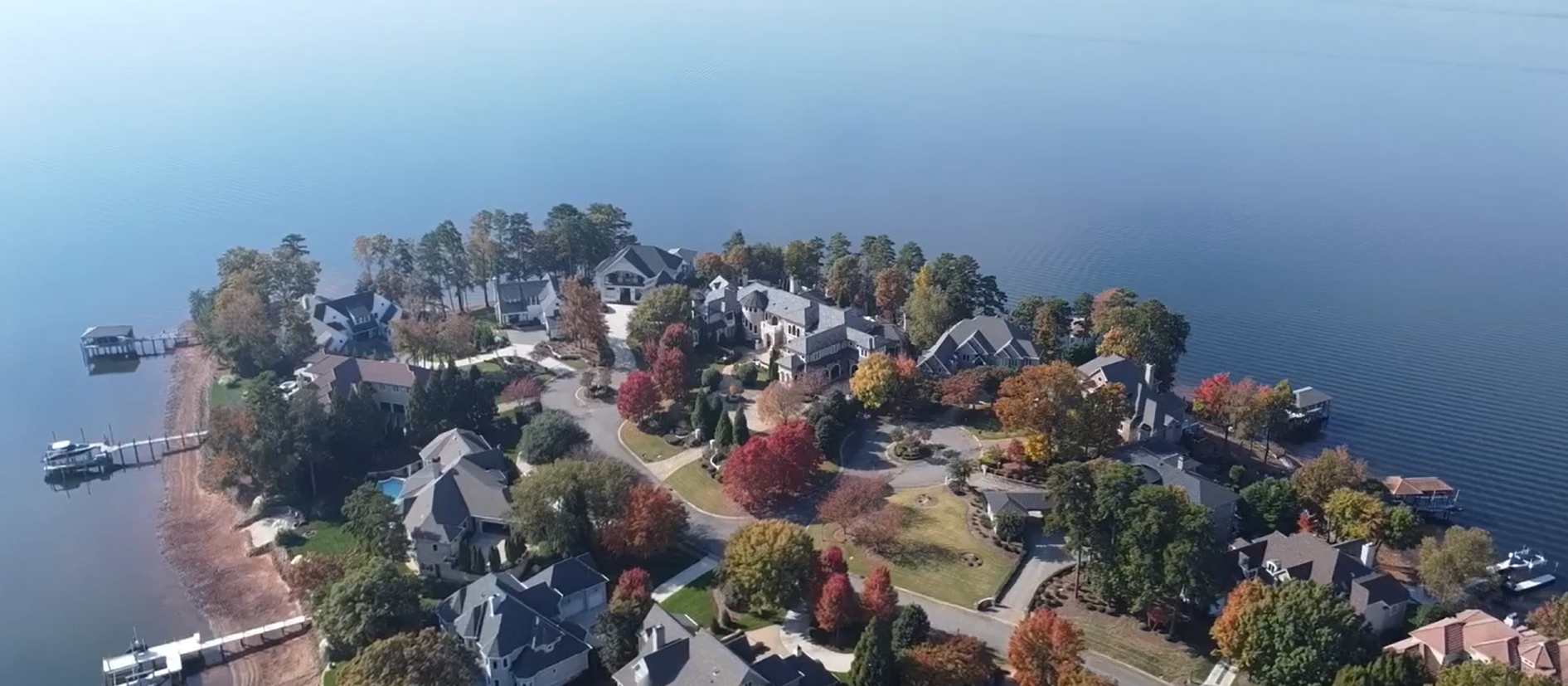
Waterfront on Lake Norman runs on boating season more than the school calendar. Sellers list when the water is at full pond and the shoreline is green, usually April through June, and buyers arrive on the same schedule. After Labor Day, buyer traffic thins, but the listings that did not sell are still there, and their owners face a winter of dock upkeep, insurance, and taxes.
A great waterfront agent uses that calendar for you. In fall and winter they push for price history and days on market on every home you see, because a listing that has been active since May and has taken a price cut is a different negotiation from one that came on last week. With the Lake Norman market area at 5.0 months of supply and a median of 58 days on market in July 2026, that history is often long.
They also use low water as an inspection tool. Winter levels show you what the dock and shoreline look like at their worst, which is exactly what you want to know before you own them. Our guide to the best time of year to buy a home on Lake Norman covers the seasonal picture in detail.
They Bring a Network, Not Just a Lockbox Code
Much of what a great waterfront agent delivers comes through the people they call. A buyer who has to find a marine contractor, a septic inspector, and a surveyor on their own during a due diligence period is running out of time before they start.
Marine contractors and dock builders who can inspect a dock, lift, and seawall and price repairs.
Permitting help that can work with Duke Energy Lake Services on transfers and discrepancies.
Surveyors who know how lake lots and the project boundary are mapped.
Septic inspectors and well testing services for homes outside town utilities.
Insurance agents who can quote flood, wind, and dock coverage quickly.
Lenders experienced with jumbo loans and second homes, since many waterfront purchases exceed conforming loan limits.
Closing attorneys, since North Carolina closings are attorney led and buyers typically choose their own.
You are always free to use your own providers. The point is that a great agent has tested options ready on day one, and knows which ones answer the phone in May.

They Negotiate With the Property's Facts
On a lake home, the best negotiating material is usually the property itself. A permit discrepancy, a lift near the end of its life, a seawall that needs work, a septic system sized for fewer bedrooms than the listing shows, or a flood insurance quote that changes the monthly cost are all facts a seller has to answer.
A great waterfront agent turns those findings into specific requests: a price adjustment tied to a contractor's estimate, a repair completed by a licensed contractor before closing, a closing cost concession, or a condition that the dock permit transfer or discrepancy be resolved before settlement. Vague requests get vague answers. Priced requests get responses.
Market conditions help. Lake Norman area sellers received 94.0 percent of original list price on average in July 2026, below the Charlotte region's 96 percent, and list to close times ran about 97 days. A great agent reads where a specific home sits inside those averages rather than assuming every seller will discount.

They Tell You When to Walk Away
The rarest skill is also the most valuable. A great waterfront agent will tell you when a house you love is the wrong purchase. That might be a cove too shallow for the boat you plan to buy, a lot whose shoreline classification blocks the dock you were counting on, an unpermitted structure the seller will not resolve, or a price that no waterfront comparable supports.
Agents are paid when you close, which is exactly why this matters. Ask any waterfront agent for an example of a time they advised a client to walk away. The best ones have more than one, and they can explain what they saw, what it would have cost, and what the client bought instead.

How to Spot These Skills Before You Hire
You can test for every skill on this page in a single conversation. Send the agent a waterfront listing and ask what they would want to know before writing an offer. Then listen for the permit, the transfer, the shoreline classification, the depth at low water, the dock and seawall condition, the utilities, the flood zone, the comparable sales they would use, and the price history.
For a full list of interview questions with strong and weak answers, see What Questions Should I Ask Before Hiring a Lake Norman Realtor?. For how to narrow the field in the first place, start with How Do I Choose the Right Realtor for a Lake Norman Purchase?. And if you are comparing cost, How Much Does a Realtor Cost When Buying on Lake Norman? covers how buyer agent pay works today.
Frequently Asked Questions
-
A waterfront real estate agent is a licensed agent with specific experience buying and selling property on the water. On Lake Norman that means understanding Duke Energy's shoreline rules and dock permits, judging water depth at low seasonal levels, pricing frontage with thin comparables, and knowing which inspections a lake property needs beyond a standard home inspection.
-
Because much of the value and risk in a Lake Norman waterfront home sits outside the house. Dock permits, shoreline classification, water depth, seawall condition, septic capacity, and flood zones can change what a property is worth and what you can do with it. A general agent may not use that knowledge often enough to catch problems in time.
-
They adjust comparable sales for linear feet of frontage, main channel versus cove location, depth at the dock in a low month, dock and seawall condition and permit status, view and orientation, shoreline classification, and utilities. In May 2026 verified waterfront closings posted a median near $1.65 million, at roughly $606 per square foot.
-
Judge it at low seasonal levels rather than full pond. Duke Energy operates the lake toward targets commonly in the 95 to 98 foot range against a 100 foot full pond gauge, lower in winter. When depth at the dock falls under roughly three feet in a low month, most powerboats become impractical.
-
Not right away. As of July 1, 2026, Duke Energy no longer reviews private dock applications where no home has been built on the adjoining lot. The shoreline classification, cove width, and setbacks also decide whether and how large a dock can be permitted.
-
In addition to a general home inspection, plan for a dock, lift, and seawall review by a marine contractor, septic inspection and well testing where applicable, a survey, flood zone review and insurance quotes, and confirmation of the dock permit and its transfer with Duke Energy Lake Services.
Shopping Lake Norman Waterfront?
See the Water Before You See the Kitchen
Send us a waterfront listing and we will tell you what we would verify on the permit, the depth, the shoreline, and the price before you make an offer. RealTrends Verified #1 team in Charlotte.
Talk to a Lake Norman Agent →Or call and text (704) 200-9833
